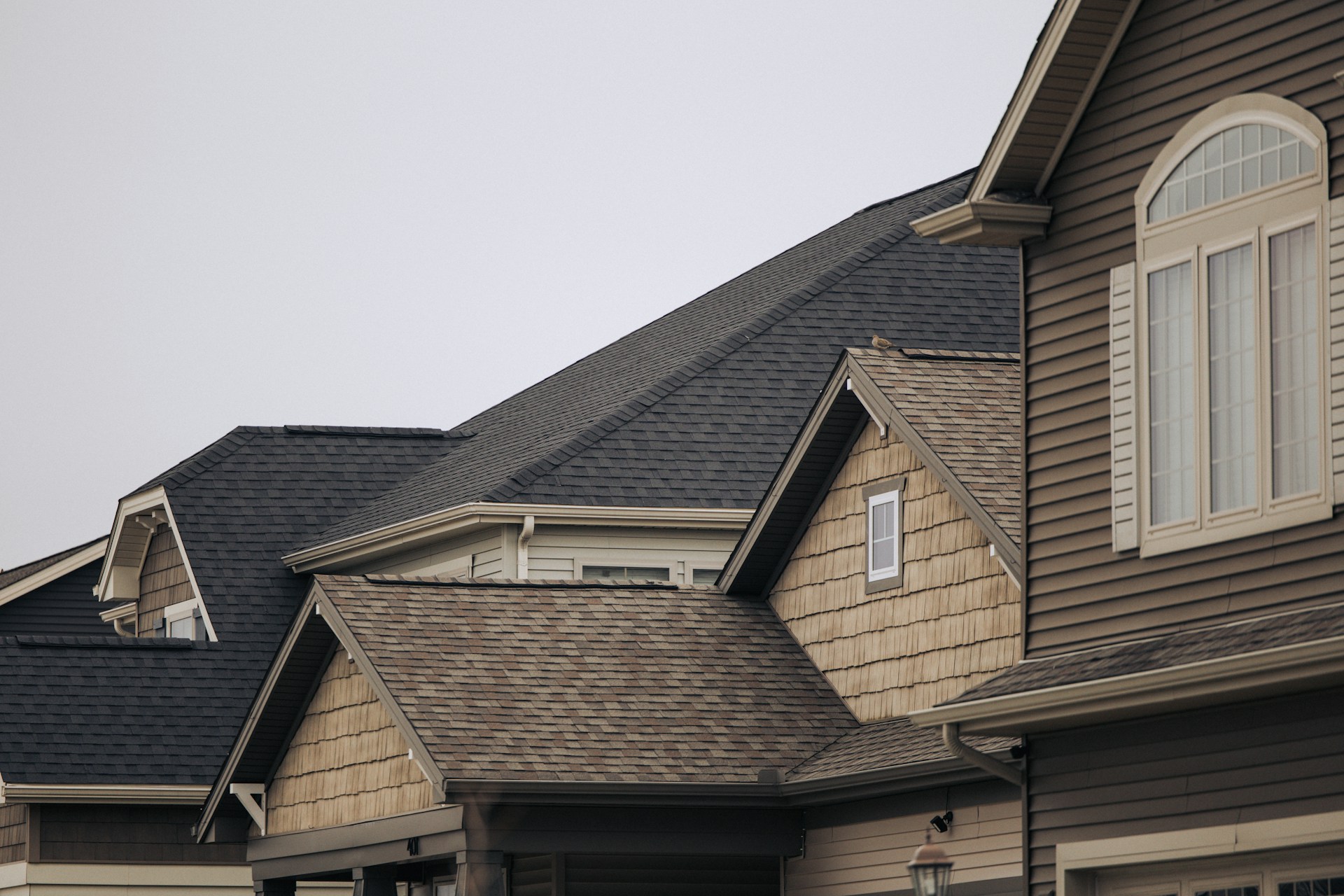
Can Wind, Hail, Snow, and Idaho Sun Damage My Roof?
Boise weather can be tough on your roof year-round. Here’s how wind, hail, snow, and intense Idaho sun can affect your shingles, flashing, gutters, and overall roof lifespan.
Boise homeowners deal with a wide range of weather throughout the year. Hot, dry summers. Cold winter nights. Snow, wind, hail, and sudden storm systems. While your roof is built to protect your home through changing seasons, ongoing exposure to Idaho weather can slowly weaken roofing materials over time.
The tricky part is that roof damage is not always obvious from the ground. A few missing granules, lifted shingles, small hail marks, or loosened flashing may not look serious right away, but those small issues can turn into leaks, moisture damage, and expensive repairs if they are ignored.
If you are wondering whether wind, hail, snow, or Idaho sun can damage your roof, the answer is yes. The bigger question is how much damage has been done, how quickly it needs to be fixed, and whether your roof should be inspected before the next storm season.
How Boise Weather Can Damage Your Roof
Boise roofs experience a mix of weather conditions that can wear down shingles, roof vents, flashing, sealants, and underlayment. One storm may not ruin a roof, but repeated exposure can shorten the life of the roofing system.
Strong wind can lift shingles and break their seal. Hail can bruise or crack asphalt shingles. Snow and ice can add weight, create moisture problems, and expose weak areas. Long periods of Idaho sun can dry out shingles, fade materials, and cause cracking or granule loss.
This is why many homeowners schedule professional roof inspections in Boise after major storms or when they notice signs of aging. A trained roofer can identify damage that is easy to miss from the driveway or backyard.
Can Wind Damage a Roof in Boise?
Yes, wind can absolutely damage a roof, especially if the shingles are older, poorly installed, or already weakened by heat and UV exposure.
High winds can lift shingles, loosen fasteners, expose nail heads, and tear away sections of roofing material. Even if a shingle settles back down after a storm, the adhesive seal may be broken. Once that seal is compromised, water can get underneath the shingle during future rain or snow.
Common signs of wind damage include:
Missing shingles
Lifted or curled shingles
Loose ridge caps
Exposed underlayment
Shingle pieces in the yard
Bent or loose flashing
New leaks after a windstorm
Wind damage can be especially frustrating because the roof may look mostly fine from the ground. But if shingles have been lifted or loosened, your home may be more vulnerable to water intrusion during the next storm.
Can Hail Damage My Roof?
Hail can cause both visible and hidden roof damage. Large hail can crack shingles, dent metal components, and damage vents, gutters, flashing, and skylights. Smaller hail can still knock protective granules off asphalt shingles, leaving the roof more exposed to UV rays and future deterioration.
On asphalt shingles, hail damage often looks like dark impact spots, missing granules, bruised areas, or small cracks. On metal roofing or roof accessories, hail may leave dents or visible impact marks.
After a hailstorm, homeowners should look for signs around the property, including:
Granules collecting in gutters or downspouts
Dents on gutters, vents, or flashing
Damaged siding or window screens
New roof leaks
Shingles that look bruised, cracked, or uneven
If hail damage is caught early, targeted roof repair in Boise may be enough to fix the affected areas. If the damage is widespread or the roof is already near the end of its lifespan, replacement may eventually need to be considered.
Can Snow and Ice Damage a Boise Roof?
Snow may look harmless, but it can create several roofing problems. Heavy snow adds weight to the structure, while melting and refreezing can expose weak points in the roof system.
In Boise, snow damage is often connected to freeze-thaw cycles. Snow melts during the day, then refreezes when temperatures drop. This repeated expansion and contraction can stress shingles, flashing, gutters, and roof edges.
Snow and ice can also contribute to:
Leaks near roof valleys
Moisture under shingles
Damaged gutters
Ice buildup near eaves
Loose flashing
Attic moisture problems
Staining on ceilings or walls
Proper attic ventilation, roof drainage, and shingle condition all matter during winter. A roof that is already worn down may have a harder time handling snow, ice, and cold-weather moisture.
Can Idaho Sun Damage Asphalt Shingles?
Yes. Idaho sun can be one of the biggest long-term causes of roof aging. Boise summers can expose roofs to intense UV rays and high surface temperatures, especially on darker asphalt shingles.
Over time, sun exposure can dry out shingles and make them more brittle. This can lead to cracking, curling, fading, and granule loss. Once shingles lose too many protective granules, they become more vulnerable to hail, wind, moisture, and temperature swings.
This is one reason asphalt shingle roofing in Boise needs to be installed properly and inspected over time. Quality materials, correct ventilation, and professional installation all help improve roof performance in Idaho’s climate.
Signs of sun-related roof wear include:
Faded shingles
Curling edges
Cracked shingles
Brittle or dry-looking shingles
Granules in gutters
Uneven roof color
Premature aging on south-facing slopes
Sun damage is usually gradual, but it can quietly reduce your roof’s lifespan if it is not monitored.
Why Weather Damage Should Not Be Ignored
A damaged roof does not always leak right away. That is one of the biggest reasons homeowners delay roof repairs. Unfortunately, small roofing problems often get worse with each season.
A lifted shingle can become a leak. Missing granules can lead to faster shingle breakdown. Loose flashing can allow water into walls or attic spaces. Small hail impacts can weaken shingles before the next round of wind, rain, or snow arrives.
Ignoring roof weather damage can lead to:
Interior water stains
Mold or mildew concerns
Damaged insulation
Rotting roof decking
Higher repair costs
Shorter roof lifespan
More serious storm damage later
The sooner roof damage is identified, the easier it usually is to fix.
When Should You Schedule a Roof Inspection?
You should consider scheduling a roof inspection after any major windstorm, hailstorm, heavy snow event, or unexplained leak. You should also have your roof looked at if it is older, visibly worn, or showing signs of granule loss.
A roof inspection is especially smart if you notice:
Missing or lifted shingles
New stains on ceilings
Water spots in the attic
Granules in gutters
Loose flashing
Damaged vents
Sagging areas
Shingle debris around the home
A roof that looks uneven or aged
Even if the damage seems minor, a professional inspection can help you understand whether you need a simple repair, closer monitoring, or a larger roofing plan.
Boise Roofs Need Local Weather Knowledge
Roofing in Boise is not just about putting shingles on a house. Local weather patterns matter. A roof has to handle summer sun, winter snow, wind, hail, and fast seasonal changes. That means your roofing contractor should understand how Boise weather affects different roofing materials and how to spot damage before it becomes expensive.
A local roofing team can inspect your roof, identify weather-related damage, explain your options clearly, and recommend the right solution for your home. Whether you need a small repair, storm damage assessment, or a full roof evaluation, the goal should always be to protect your home before minor damage turns into a major issue.
Final Answer: Yes, Boise Weather Can Damage Your Roof
Wind, hail, snow, and Idaho sun can all damage your roof in different ways. Wind can lift shingles. Hail can bruise or crack roofing materials. Snow and ice can create moisture problems. Sun exposure can dry out and age asphalt shingles over time.
The best way to protect your home is to watch for warning signs and schedule an inspection when something looks off. Weather damage is often easier and more affordable to fix when it is caught early. For Boise homeowners, regular roof inspections and timely repairs are one of the smartest ways to extend roof life and avoid costly water damage.
Have a roofing project in Boise, Meridian, or Nampa? Give us a call and we'd be happy to help with your project!